




©2026 The Weitz Company, LLC / Privacy Statement / Terms of Service
/ Cookie Policy / Do Not Sell or Share My Information
/ Cookie Policy / Do Not Sell or Share My Information
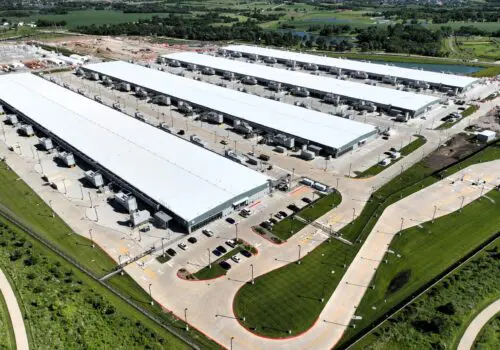 Mission Critical
Dedicated mission critical teams skilled in building specialized facilities of the future.
Mission Critical
Dedicated mission critical teams skilled in building specialized facilities of the future.
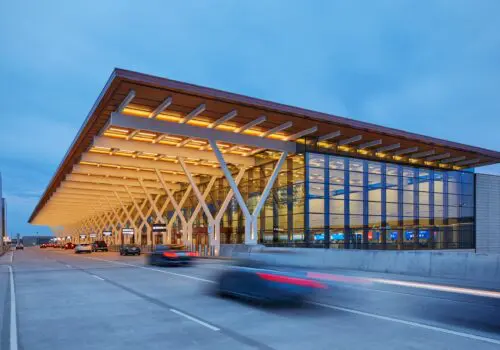 Aviation
Delivering innovative solutions for airport projects including terminals, BHS, and more.
Aviation
Delivering innovative solutions for airport projects including terminals, BHS, and more.
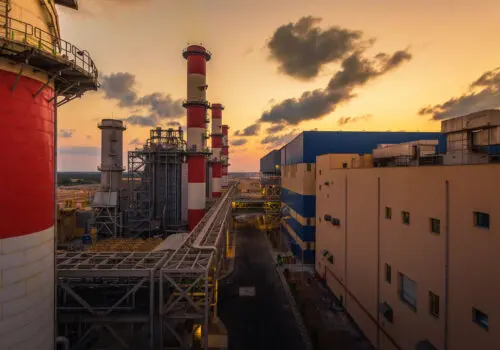 Power & Energy
Supporting growing energy demands with integrated engineering, procurement, and construction expertise.
Mission Critical
Dedicated mission critical teams skilled in building specialized facilities of the future.
Aviation
Delivering innovative solutions for airport projects including terminals, BHS, and more.
Power & Energy
Supporting growing energy demands with integrated engineering, procurement, and construction expertise.
Power & Energy
Supporting growing energy demands with integrated engineering, procurement, and construction expertise.
Mission Critical
Dedicated mission critical teams skilled in building specialized facilities of the future.
Aviation
Delivering innovative solutions for airport projects including terminals, BHS, and more.
Power & Energy
Supporting growing energy demands with integrated engineering, procurement, and construction expertise.
When embarking on large, complex building projects, whether it is a bustling international airport terminal, an advanced manufacturing facility, or a state-of-the-art commercial development, owners are looking for one essential guarantee: certainty of outcome.
In our latest video feature, Tahir Edwards, Design Manager, licensed architect, and certified DBIA professional at The Weitz Company, breaks down how bridging the gap between design and construction transforms project delivery and how choosing the right collaborative delivery method sets the stage for reduced risk and long-term success.
Designing and constructing a major facility requires an integrated team working closely to align project goals. At the start of collaborative projects, holding an upfront partner meeting aligns the owner, stakeholders, designers, construction managers, and trade specialists around core project goals and priorities.
Early collaboration provides measurable benefits across every stage of development:
Unlike traditional Design-Bid-Build, which brings the builder on after design documents are complete, collaborative delivery models incorporate construction expertise during design, when it can have the greatest impact.
Here is how the primary collaborative delivery models compare:
When design and trade expertise merge early, creative solutions naturally follow. During the Kansas City International Airport project, The Weitz Company collaborated early with MEP trade partners to engineer and prefabricate thousands of feet of underground electrical conduit offsite.
By assembling complex runs in a controlled environment before field installation, the project achieved higher installation quality, minimized onsite labor congestion, eliminated rework, and accelerated the overall construction schedule.
Your greatest opportunity to influence the cost, schedule, and quality of a project is at the very beginning, not at the end.
Watch the full video below to hear directly from Tahir Edwards on how early collaboration, transparent delivery methods, and integrated teams build predictability into every phase of construction.